Education Center
What Is a Core Identity Kit and Why Does Every Small Business Need One Before Anything Else?
Most small business owners have a logo. Some have a style guide. A few have a mission statement written somewhere in a Google Doc they haven't opened in two years.
Very few have a Core Identity Kit. And that gap explains a lot.
A Core Identity Kit is the document that answers the questions every piece of marketing you ever create needs answered first: Who is this business, really? Who does it serve? What does it believe? What does it sound like? Why should someone trust it over the next option on the list?
Without those answers, the tools are guessing. With them, every tool you use — every email sequence, every follow-up text, every review request, every website page — works from the same honest foundation.
Key Takeaways
- A Core Identity Kit is built from a real interview with the business owner, not from a template or a questionnaire you fill out alone.
- It captures the voice, the audience, the differentiators, and the way the business actually communicates — not how the owner wishes it did.
- The kit guides the CRM setup, the marketing copy, the follow-up sequences, and everything that touches the customer.
- It belongs to the business owner, not the vendor. You keep it no matter what tools you use.
- It arrives within seven days of the interview, and the account build follows within thirty days of that.

What a Core Identity Kit Actually Contains
Let me be specific, because vague descriptions of brand documents are everywhere and they mostly describe the same thing: a mood board and a color hex code.
A Core Identity Kit goes further. It is built from a real conversation — a structured interview where we dig into how the business actually works, what it sells, what it charges, who it serves, who it does not serve, what it believes, and what makes it genuinely different from competitors in the same market.
The output of that interview becomes a working document that typically covers:
- The business's voice and tone — specific enough that someone who has never met the owner could write a follow-up email that sounds like them.
- The core audience — not a demographic paragraph, but a real description of the person most likely to become a great long-term customer.
- The key differentiators — what this business does that others do not, stated plainly and without marketing hype.
- The common objections and how the business addresses them — so the marketing handles doubt before it hardens into a no.
- The language the business uses and avoids — because the right words and the wrong words are equally powerful.
Once the kit exists, the CRM, the email sequences, the automation workflows, the website copy, and the review request messages all get built from it. That is how the whole system ends up sounding like one coherent business instead of a patchwork of templates. See the bigger picture in why identity comes before the marketing system.
Why the Interview Matters More Than the Template
There are tools that promise to build a brand kit from a short quiz. Some of them produce something that looks polished. But here is the problem: a quiz can only capture what you already know how to say about yourself. And most business owners have not put their real differentiators into clear language yet — not because those differentiators don't exist, but because they've been too busy running the business to step back and name them.
The interview is where that happens. Someone who asks the right questions, listens carefully, and then organizes the answers into a document that can actually be used — that process is not replaceable by a form.
It is also not something you can do well by yourself. You are too close to it. The things that seem obvious to you are exactly the things your customers most need to hear you say plainly.
Custom-Built. Never a Template.
This point is worth being direct about. My Biz Suite does not sell snapshots. It does not offer a ready-made CRM setup you download and fill in. Before anything is built, my team and I learn how the business really works — and then we build the account around that.
Two businesses in the same industry, even in the same town, get two different builds. Because they are two different businesses, serving different people, with different ways of doing things and different reasons customers choose them.
A template cannot capture that. A snapshot cannot capture that. A Core Identity Kit can — and does.
Once the kit is done, see how the next phase works: how a clear brand identity builds deeper customer relationships.
Who Keeps the Kit?
You do. That is not a small detail.
The Core Identity Kit is yours — a document you receive and own. If you ever change platforms, change vendors, change tools, or scale into a second location, the kit travels with you. It is not locked in a subscription. It is not hosted somewhere you lose access to if you cancel.
The same is true for the HighLevel account my team builds around it. The account is owned by you, the client. Your data stays with you. That is a design decision, not a policy — it reflects a belief that businesses are worth more when the owner controls their own assets.
The Timeline From Conversation to Working Setup
The process moves faster than most owners expect.
- A free fit call with Patrick to make sure this is the right match on both sides.
- If the fit is right: the client signs, opens their HighLevel account, and begins the intake checklist.
- A real interview — not a form, but a conversation.
- The Core Identity Kit arrives within seven days of the interview.
- Within thirty days of the client receiving the kit, the account is fully built out and custom-configured. The client can work in it from day one.
After the setup, the client chooses how they want to continue: the Done With You plan at $497 per month, the Done For You plan at $1,997 per month, or running independently with the kit in hand.
Frequently Asked Questions
Is a Core Identity Kit the same thing as a brand guide?
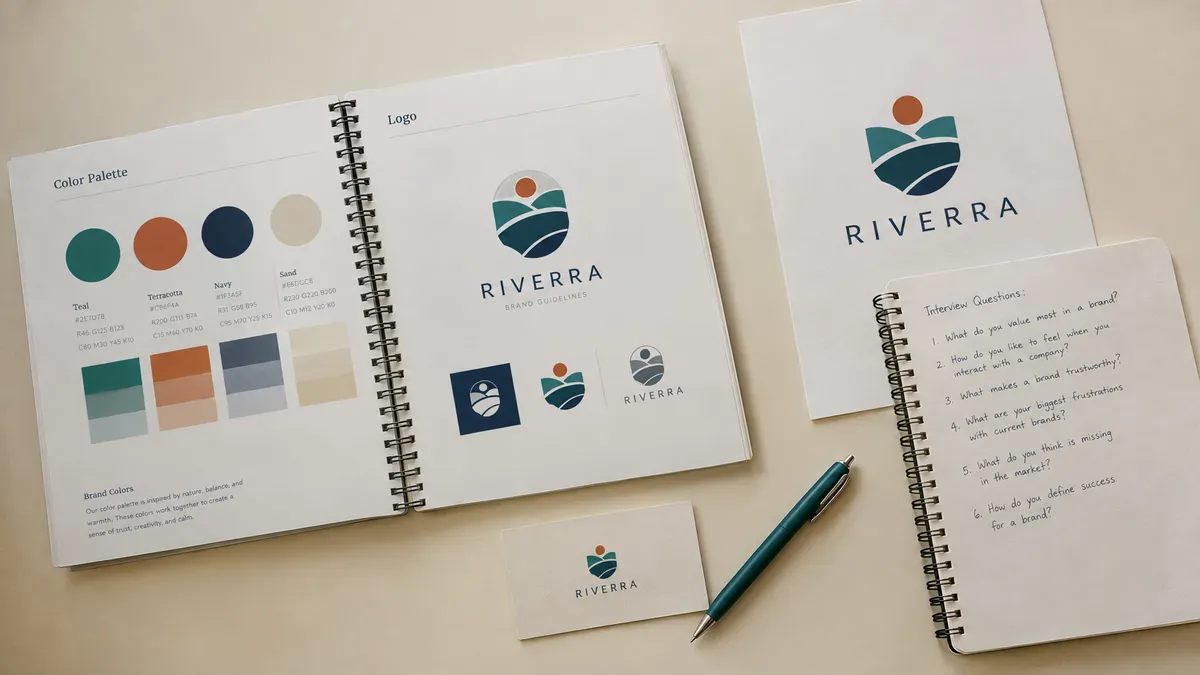
Related, but not the same. A brand guide typically focuses on visual identity — logos, colors, fonts, usage rules. A Core Identity Kit focuses on voice, audience, positioning, and communication strategy. It is the written foundation that tells any tool, any designer, and any team member how this business sounds and what it stands for.
What if I already have branding? Do I still need this?
Sometimes existing branding is solid and can be incorporated. But most often, owners who have "branding" have visuals without the underlying strategic clarity. The interview process usually reveals that quickly — and it often produces useful clarity even for owners who thought they already had it figured out.
How is this different from hiring a copywriter?
A copywriter typically writes for a specific project — a website, an email campaign, a sales page. A Core Identity Kit is the source material that makes every piece of copy better, including what any future copywriter produces. It is upstream of copywriting, not a substitute for it.
Can I see the kit before I sign up?
The kit itself is built specifically for your business, so there is no sample that reflects your business. But the fit call is the right place to understand exactly what the process produces and decide if it makes sense. Patrick will walk you through it clearly and honestly.
The Document That Makes Everything Else Work
If you have ever felt like your marketing "almost" works — like the emails are okay but not quite right, the follow-ups go out but don't quite land, the profile looks good but doesn't quite say anything — a Core Identity Kit is almost always the missing piece.
Not because it is magic. Because it is clarity. And clarity is what every good system runs on.
Everything else — the automation, the follow-up sequences, the review requests, the appointment booking — those are tools. Good tools, built well. But they need to know who they are speaking for before they can speak well. Explore what one good follow-up system looks like when it starts from this foundation: what your customer follow-up messages should actually say.
Start with the conversation. Book a free fit call with Patrick at meetpatricksmith.com — and find out exactly what a Core Identity Kit would capture for your business.

Search for Articles Here

© 2026 My Biz Suite - All Rights Reserved.
*Several of our plans have additional communication fees for phone calls, SMS, email, and AI usage.