
Education Center
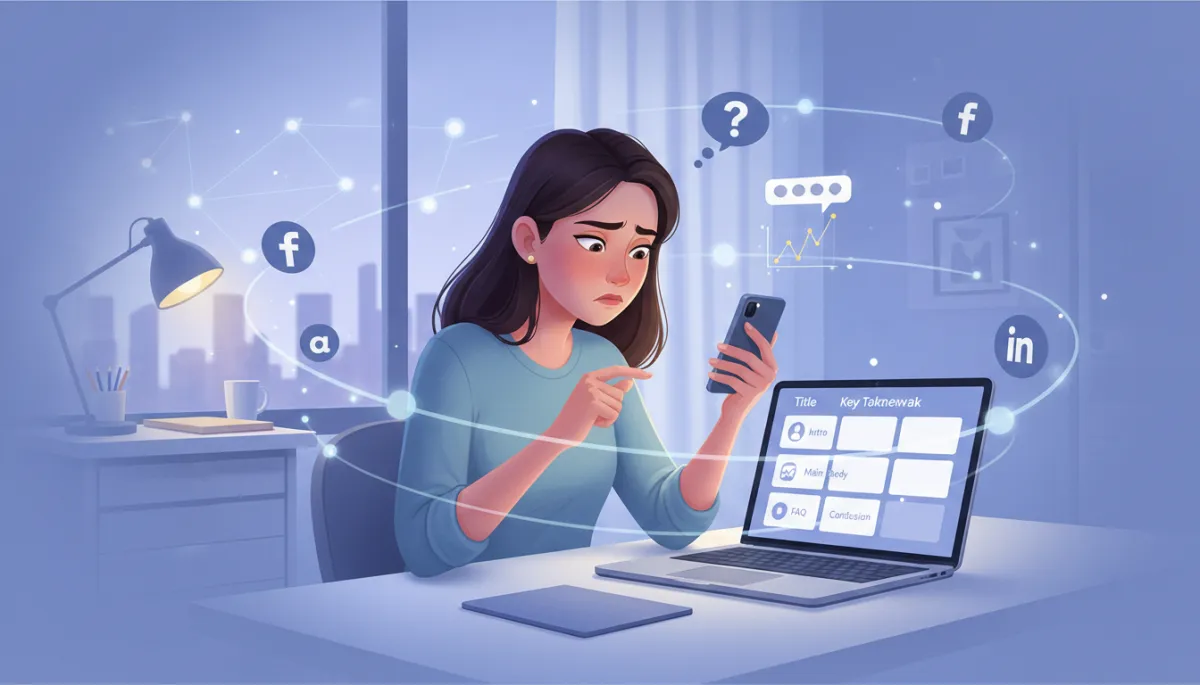
Boost Social Media Reach with Effective Strategies
Social Media, Content Strategy, Organic Reach
Why Are My Social Media Posts Getting No Reach — Even When I Post Consistently?
If your social media posts are getting almost no reach despite consistent posting, it’s usually not because the algorithm “hates” you. In 2026, low reach is most often caused by a mix of factors: oversaturated feeds, algorithm updates that favor high-quality engagement over frequency, content that isn’t aligned with what your audience actually interacts with, weak hooks, and limited real conversation in the comments or DMs. Posting regularly is only one small piece of the puzzle; without strong engagement signals, clear positioning, and platform-appropriate formats (especially short-form video and authentic, human content), algorithms simply have no reason to push your posts into more feeds.
The good news: you don’t need to post more; you need to post smarter. By shifting from “post and hope” to a strategy built on audience insight, engagement-first content, social SEO, and community-building, you can revive your reach without burning out. This article breaks down why your reach has likely dropped, what today’s algorithms really reward, and the practical steps you can take this week to start seeing your numbers move again.
Key Takeaways: Why Your Reach Is Low (And How to Fix It)
Algorithms in 2026 reward quality engagement (comments, shares, saves, DMs) far more than posting frequency alone (Forbes).
Public engagement rates are falling because feeds are overcrowded, but private engagement (DMs, groups, close friends) is rising and heavily influences reach.
If your content doesn’t hook people in the first 1–3 seconds, they scroll past—sending negative signals that crush your reach, especially on Reels, TikTok, and Shorts.
Posting “for the algorithm” without a clear audience, message, or niche confuses recommendation systems and limits who sees your content.
In 2026, social search (social SEO) is huge—if your captions, keywords, and on-screen text aren’t optimized, you’re invisible in search-based discovery.
Consistent posting only works when paired with consistent interaction—accounts that reply to comments see up to 30–40% better performance (Buffer).
1. Why Consistency Alone No Longer Boosts Reach
For years, the advice was simple: “Post every day and the algorithm will reward you.” In 2026, that’s outdated. Platforms like Instagram, TikTok, Facebook, and X are flooded with more content than ever. Global engagement rates per post have dropped sharply—Instagram’s average engagement fell from around 2.94% in early 2024 to under 1% by 2025, while Facebook sits closer to 0.15–2.4% depending on the page (shno.co).
That doesn’t mean people aren’t engaging. In fact, overall engagement volume is up—Instagram Reels alone are played more than 140 billion times daily and rising. The problem is competition. Your consistent posts are entering a crowded race, and the algorithm has to choose which pieces of content will keep users on the app the longest. Frequency without impact becomes noise.
💡 Quick mindset shift: Don’t aim to “feed the algorithm.” Aim to keep a real person interested, curious, and engaged from start to finish. The algorithm follows people, not the other way around.
2. How 2026 Algorithms Actually Decide Who Sees Your Posts
Modern algorithms use AI to build highly personalized feeds. By 2026, they evaluate thousands of signals before showing your post widely. Some of the most important:
Early engagement: Do people who see your post in the first minutes watch, like, comment, share, or save? If not, distribution slows quickly.
Meaningful interactions: Comments, shares, and DMs matter more than likes. Platforms like Meta explicitly prioritize “meaningful social interactions” in their feeds (Hootsuite).
Watch time and completion rate: For Reels, TikToks, and Shorts, how long people watch—and whether they rewatch—is a huge factor. Short view times crush reach.
Relevance and niche: Algorithms try to match content with micro-communities and interests. If your content is too broad or inconsistent, it’s harder to categorize and recommend.
Private signals: Shares in DMs, saves, and group discussions are powerful—yet invisible on the surface. These “quiet” signals can dramatically boost reach inside niche communities.
When your posts get little reach, it’s usually because these signals are weak—not because you skipped a day of posting. Your job is to design content that naturally encourages comments, saves, and shares in the first place.
3. The Most Common Reasons Your Posts Get No Reach
3.1 Your Hook Isn’t Stopping the Scroll
On short-form video platforms, you have about one second to convince someone not to swipe away. If your first frame and first line don’t create curiosity, tension, or value, people leave—and the algorithm assumes your content isn’t worth showing to others. The same principle applies to static posts: weak visuals and generic headlines get skipped instantly.
Try this: Rewrite your next three posts so the first line directly calls out a problem (“You’re posting daily and still getting 100 views? Here’s why.”) or promises a specific outcome.
3.2 You’re Posting for Everyone (So It Resonates with No One)
If your content swings from business tips to travel vlogs to random memes, algorithms struggle to understand who should see your posts. In 2026, platforms favor niche communities and creators who serve a clear audience with consistent topics. When your niche is fuzzy, your reach usually is too.
3.3 You’re Ignoring Social Search (Social SEO)
Around a quarter of users now search directly on TikTok, YouTube, and Instagram instead of Google, especially for “how to” content, reviews, and tutorials (Adobe). If your captions, on-screen text, and hashtags don’t include the words your audience actually searches, you’re invisible in this discovery channel. That’s a huge missed opportunity for reach that has nothing to do with posting frequency.
3.4 You’re Not Actively Engaging Back
Many creators treat social media like a one-way broadcast. They post, then disappear. But data shows that accounts that regularly reply to comments and join conversations see dramatically higher performance—Buffer found roughly 30–40% better engagement for those that respond versus those that don’t (Buffer). If you’re not replying, asking questions, or starting DMs, the algorithm sees little reason to prioritize your content in feeds built around interaction.
3.5 You’re Relying on Polished, “Safe” Content Over Authenticity
In 2026, audiences are tired of perfect, overly-branded posts. Short-form, scrappy, and authentic content—especially user-generated content (UGC)—often outperforms high-production pieces (Forbes). If your posts feel like ads or corporate brochures, people scroll past, which drags down your reach over time.
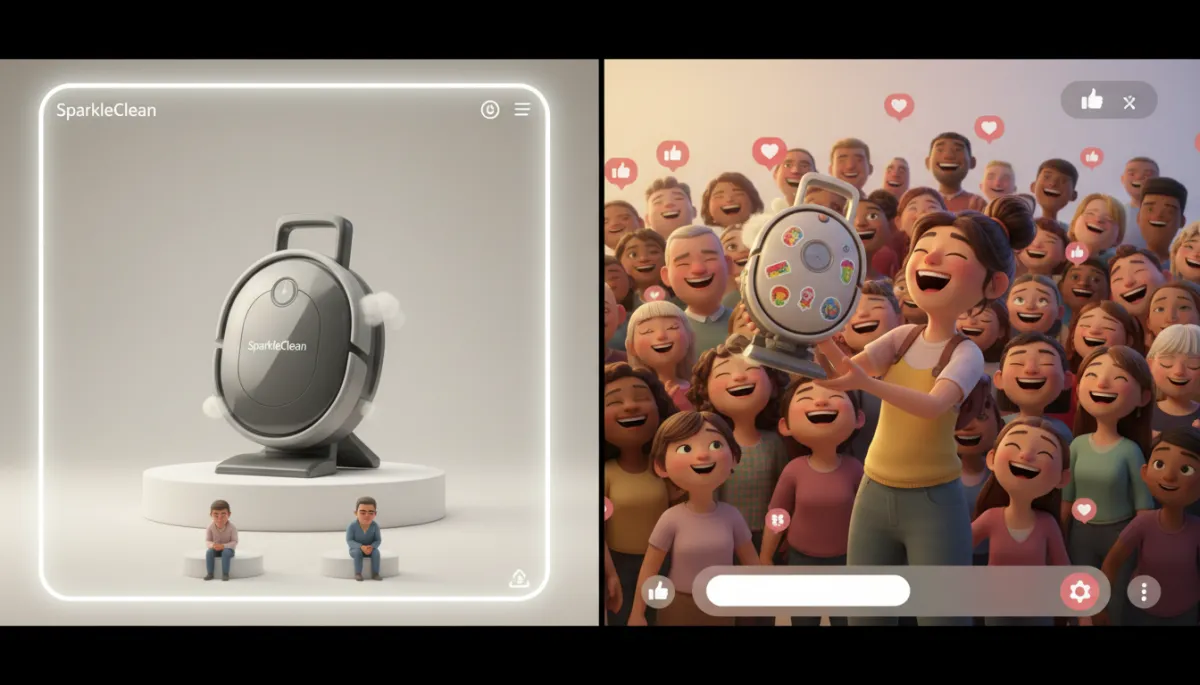
Authentic, conversational posts often earn more reach than perfectly polished brand content.
3.6 You’re on Too Many Platforms with Too Little Focus
Engagement is concentrating on fewer platforms. TikTok still leads for organic reach, while Instagram and Facebook are becoming more pay-to-play and community-focused (eMarketer). If you’re spreading yourself thin across five platforms, you may never build enough momentum on any single one for the algorithm to recognize you as “high signal.”
4. A Practical Framework to Revive Your Reach
Step 1: Clarify Your Audience and Promise
Start by answering two simple questions:
Who am I talking to? (Be specific: “freelance designers in their first 2 years,” not “creatives.”)
What outcome do they want from following me? (E.g., “land better clients,” “grow a side hustle,” “feel less stressed as a parent.”)
Your content should repeatedly deliver on that promise in different angles and formats. Clear positioning helps algorithms understand who to show you to—and helps people recognize instantly why they should care.
Step 2: Build Engagement-First Content, Not “Post-Count” Content
Before you create your next post, ask: What is the easiest, most natural way for someone to interact with this? Design posts around:
Conversation starters: Ask specific, answerable questions (“What’s one client red flag you’ll never ignore again?”) rather than vague “Thoughts?” prompts.
Saveable value: Checklists, templates, and step-by-step breakdowns that people want to revisit later (saves are a strong positive signal).
Shareable moments: Relatable stories, spicy opinions, or “I feel seen” memes tailored to your niche, which people naturally forward to friends or groups.
Step 3: Optimize for Social Search (Without Being Spammy)
Treat TikTok, Instagram, and YouTube like search engines. Your audience is literally typing questions into the search bar. To show up:
Use natural language keywords in your hooks and captions (e.g., “how to get more reach on Instagram in 2026”).
Say the keyword out loud in your video—many platforms now transcribe audio and use it for search and recommendations.
Use a mix of broad and niche hashtags that match what your ideal follower might search, not just what’s trending.
Step 4: Lean into Short-Form Video and UGC
Short-form video remains the strongest engine of organic reach. In 2026, 73% of marketers prioritize it, and nearly half prioritize user-generated content because it feels more trustworthy and engaging (StirStuff). If you’re only posting static graphics or text, you’re fighting an uphill battle.
Turn your best-performing carousels or tweets into short videos with you speaking directly to camera.
Repost and highlight content from customers or community members (with permission) to add social proof and variety.
Step 5: Build a Community, Not Just a Follower Count
Engagement is shifting into private spaces: DMs, group chats, close-friends lists, Discord servers, and broadcast channels. Members of these smaller communities often engage 3–5 times more than general followers (SocialXpresso). To tap into this:
Create a simple group or channel where your most engaged followers can get early access to content or behind-the-scenes updates.
Invite people into that space with clear calls to action in your posts and bios.
Step 6: Use AI as a Helper, Not a Replacement
AI tools can help you brainstorm hooks, analyze performance, repurpose content, and even generate visuals. But when content feels generic or “AI-sloppy,” engagement drops. Use AI to speed up the boring parts—ideation, scheduling, basic editing—while you focus on the human parts: stories, opinions, personality, and connection (Adobe).
5. Frequently Asked Questions About Low Reach in 2026
Q1: I post daily. Should I post even more to increase reach?
Not necessarily. Once you’re posting consistently (3–7 times per week), posting more often doesn’t automatically improve reach—in some cases, it can even dilute your best content. Focus on improving quality and engagement per post: stronger hooks, clearer value, better storytelling, and more active replies to comments. One truly engaging post can outperform ten forgettable ones.
Q2: Do I have to run ads to get any reach now?
Paid promotion certainly helps, and platforms do prioritize ad inventory—but organic reach is not dead. Many creators and brands still grow organically through short-form video, social search, and community-building. Think of ads as an accelerator, not a requirement. If your content doesn’t work organically, ads will just spend money to show it to more people who still won’t care.
Q3: Could I be “shadowbanned” if my reach suddenly dropped?
True shadowbans (where a platform secretly restricts you) are rare. Sudden drops in reach are usually caused by algorithm updates, content fatigue, less engaging topics, or seasonal behavior changes. Check whether you’ve violated any community guidelines, then audit your last 20–30 posts. Look for patterns: Did you change topics, formats, or posting times? Did you stop engaging back with comments? Those are more likely culprits than a hidden ban.
Q4: Does posting at the “best time” still matter?
Timing still matters—but far less than before. Platforms now stretch distribution over hours or days based on performance, not just initial time of posting. What matters more is being present around the time you post, so you can quickly reply to early comments and DMs. That real-time interaction sends stronger positive signals than hitting a perfectly optimized time slot on a schedule.
Q5: How long will it take to see my reach improve once I change my strategy?
If you consistently implement engagement-first content, stronger hooks, and active community interaction, you can often see early signs of improvement within 2–4 weeks. However, building sustainable reach and a loyal audience usually takes a few months. Algorithms look at patterns over time, not one viral post—so think in 90-day experiments, not 24-hour miracles.
6. Conclusion: From “Posting into the Void” to Purposeful, High-Reach Content
If your social media posts are getting no reach even though you’re posting consistently, you are not alone—and you are not doomed. The landscape in 2026 is simply different from what it was a few years ago. Algorithms now reward depth over volume, real interaction over vanity metrics, and clear, niche value over generic content for everyone. Consistency still matters, but only when it’s paired with the right strategy.
Your next step isn’t to double your posting schedule. It’s to clarify who you serve, craft scroll-stopping hooks, design posts that invite genuine engagement, optimize for social search, and show up as a real human in the comments and DMs. When you do that consistently, the algorithms start to recognize your account as a source of value—and your reach begins to reflect the effort you’re putting in.
Start small: pick one platform to focus on, rewrite the hooks for your next three posts, and commit to replying to every meaningful comment for the next month. You’ll likely find that the moment you stop chasing the algorithm and start serving your audience, your reach stops feeling like a mystery—and starts becoming a measurable, manageable part of your marketing strategy.

Search for Articles Here

© 2026 My Biz Suite - All Rights Reserved.
*Several of our plans have additional communication fees for phone calls, SMS, email, and AI usage.