
What Does It Mean to Build a Business Worth More — and How Do You Start?
Build a Business Worth More.
It is the phrase on the website, the idea behind every engagement, the four words Patrick comes back to when he is trying to say simply what this work is actually about.
But what does it mean, practically? Worth more to whom? Worth more measured how? And what does "building" it actually look like on a Tuesday when there are twelve things on the list and the phone will not stop?
Let me answer that as plainly as I can.
Key Takeaways
- "Worth more" has two dimensions: financial value and personal value. The best version of a business is strong in both.
- A business that requires the owner to be present for every decision is worth less — financially and personally — than one that runs with capable systems and a capable team.
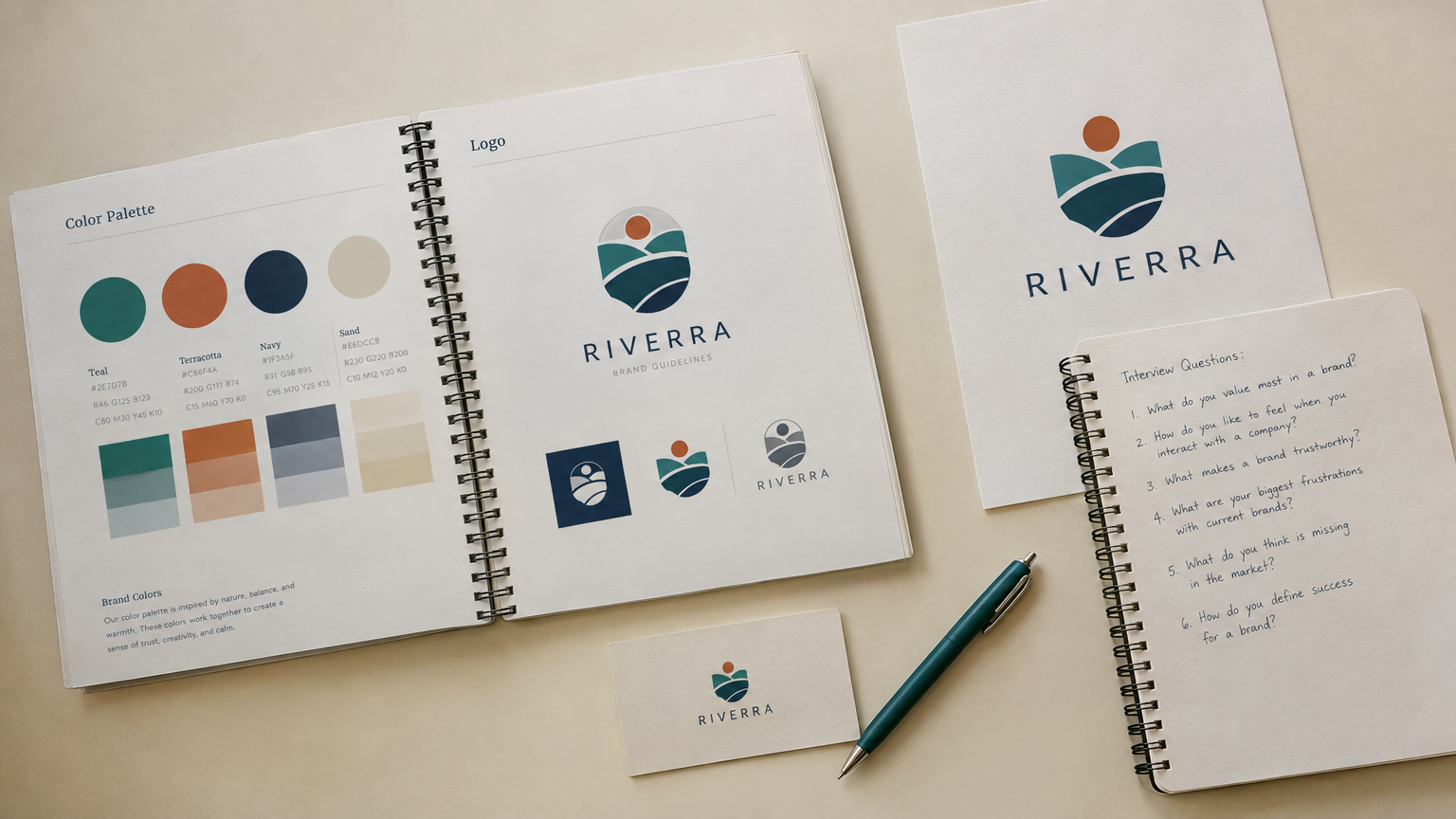
- The path to worth more starts with knowing who you are: your identity, your audience, your differentiators, your voice.
- Systems built from that clarity generate revenue, reviews, and returning customers without the owner in the loop on every step.
- This is not about exiting. It is about building something that gives the owner choices: more time, more growth, or eventually a sale on strong terms.
The Two Meanings of Worth More
When a business is worth more financially, it means the business could be sold for a meaningful number, attract investment if that ever made sense, or at minimum sustain the owner through a period when they step back. A business that cannot operate without the owner in the room every day is a job. A business with documented systems, a loyal customer base, a strong reputation, and recurring revenue is an asset.
When a business is worth more personally, it means the owner gets their life back. Not retired — but not trapped. They have time for the things that matter outside of work. They are building something they are proud of, not just surviving it.
The goal is both, and they are more connected than they seem. The systems that make a business financially valuable are the same systems that give the owner time freedom. Good automation, a trained team, a strong reputation, a clear identity — all of it serves both dimensions at once.
Why Identity Is the Starting Point, Not the Last Step
Most growth strategies start at the tactics layer. Run more ads. Post more content. Launch a referral program. Those are not bad ideas — they are just incomplete without the foundation underneath them.
The foundation is identity: a clear, documented understanding of who this business is, who it serves, and what makes it worth choosing. Without that, the tactics work in isolation. The ads attract the wrong leads. The content sounds generic. The referral program brings in people who are not quite the right fit.
With it, the tactics work together. The ad speaks to a specific person with a specific problem. The content sounds like the business at its best. The referral program brings in people who are almost exactly like the best current customers.
That is why the My Biz Suite Growth Blueprint starts with Know It — not with Build It, and not with Grow It. You cannot build the right thing without knowing who you are first. Dig into exactly how that process works: why small business owners should define their identity before building their marketing system. And for the specific document that captures it: what a Core Identity Kit is and why every small business needs one.
What the Build Looks Like in Practice
Once the identity is clear, the build is concrete. A HighLevel account — owned by the client — gets configured around the Core Identity Kit. Pipeline stages reflect how this business actually moves customers. Follow-up sequences are written in the business's real voice. Reputation systems run automatically, collecting reviews the moment the job is done. Appointment booking works around the clock without a staff member managing it manually.
The result is not a complicated tech stack. It is a coherent system that does the follow-up work, the review-request work, and the lead-capture work that used to require constant manual attention. See what those automated touchpoints look and sound like: what your customer follow-up messages should actually say.
None of this is built from a template. Two businesses in the same trade, even in the same town, get two different builds — because they are two different businesses, serving different customers, with different voices and different ways of doing excellent work. Understand exactly why custom beats template for established owners: the difference between a custom-built CRM and a template.
The Grow Phase: What Systems Actually Produce
A business built this way starts generating things the owner used to have to chase manually: reviews that come in without a staff member calling to ask for them, follow-up messages that bring customers back six months after their last visit, referrals that get captured and nurtured instead of falling through the cracks, and leads that come in after hours and receive a real response before the owner even wakes up.
That is not hype. That is what systems built from a real identity, running on the right platform, actually do over time. The growth phase is where the investment in the identity work compounds. See how the referral piece fits together: how to build a referral system that actually sends new customers. And for the retention side: how to turn one-time buyers into loyal, repeat customers.
The Owner Who Is Ready for This
Patrick says it this way: he wants to work with people he would enjoy sitting across the kitchen table from. That is not a marketing line — it is a filter. The owners who are the right fit for this work tend to be four or more years into their business, leading a team, serving real customers, and feeling like their marketing has not caught up to how good their business actually is.
They are not looking for someone to hand them a tool and wish them luck. They are looking for a partner — someone who will sit with them, understand the business genuinely, and then do the work to build the right system around it. If that is you, the fit call is worth thirty minutes of your week.
What About the Exit?
Some of the owners who start with My Biz Suite are eventually thinking about a future sale — not in the next year, but in the next decade. Patrick's related work through NorthStar Value Group is designed for that stage: helping owners plan and move toward an exit on terms that reflect what the business is actually worth.
Building a business worth more now is the best preparation for that conversation whenever it comes. A business with clear identity, strong systems, a loyal customer base, and documented processes is worth meaningfully more than the same business without those things. That is true whether the owner plans to sell or plans to run it for another twenty years.
Frequently Asked Questions
Is "build a business worth more" only relevant if I plan to sell?
No. The financial value of the business is one measure. But the freedom, the reduced stress, and the ability to take a week off without the business falling apart — those are worth something too, and they come from the same work. Building worth more benefits the owner right now, not just at an eventual exit.
How long does it realistically take to see the systems producing results?
Results like consistent reviews and returning clients take a few months to build momentum. That is why the monthly plans have a six-month minimum — not to lock anyone in, but because the math of compounding trust and reputation requires a little runway. Owners who stay patient with the process consistently see things start to shift in the three-to-five-month range.
What if my business is already doing well? Is this for businesses that are struggling?
It is actually more useful for businesses that are doing well. A struggling business needs a different kind of triage. An established, successful business that wants to grow without burning out the owner — that is exactly the situation where identity work and custom-built systems make the biggest difference. Good businesses get better. Struggling businesses need different help first.
Patrick works from Welches, Oregon. Can he work with businesses in other states?
Yes. My Biz Suite works with clients across the United States. The fit call and ongoing work happen on Zoom. The identity interview is a conversation — it does not require being in the same room. The work is remote by design without being impersonal. Many clients find that the structured interview format actually produces more clarity than an in-person meeting would.
Worth More. Starting Now.
Building a business worth more is not a destination you arrive at all at once. It is a direction you move in, step by step, starting with the clarity that makes every step more effective.
Know who you are. Build the systems around that knowledge. Grow with the confidence that the foundation is solid.
That is the work. It is honest, practical, and specific to your business — because it starts with your business, not a generic framework applied to every business in the same category.
My friend, if this resonates, the next step is simple.
Book a free fit call with Patrick at meetpatricksmith.com — and let's talk about building your business worth more.